
From Bonding to Co-Creation: Affective Infrastructures of Human-AI Collaboration
This paper introduces a new conceptual lens for understanding human-AI co-creativity

Insights
Human-AI co-creation begins with connection and dialogue, which is the seed of creativity
We are building creative partnerships with GenAI on emotional foundations that we do not yet understand
As GenAI becomes more ubiquitous and affective, more personalized, adaptive and emotionally attuned, these foundations matter more than ever
* This paper will be presented at the University of Amsterdam GenAI & Creative Practices: Past, Present, and Future Conference in December 2025
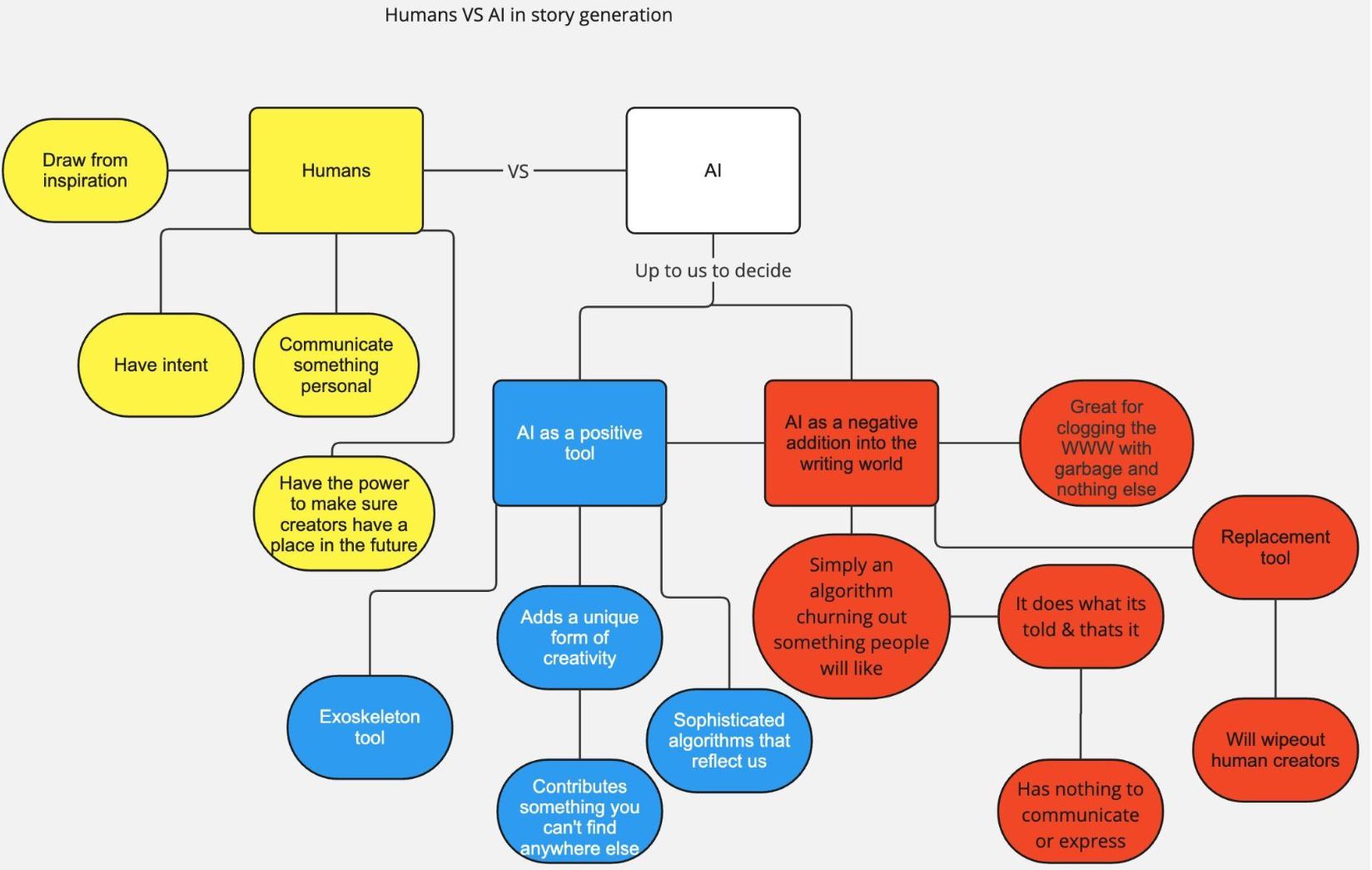
As we’re grappling with the rapid integration of AI into various facets of life, a very polarized attitude towards it is emerging in the creative realm: those in favour of using AI for creative practices and those against it. As a very creative person myself, I’m fascinated by the question of how we should be defining co-creativity with AI.
Before we can fully understand or support collaborative creative practices with AI, I think we must first examine how humans connect with this technology on an emotional and relational level. While current discussions often centre on prompting, output quality, and aesthetic innovation, in this paper I argue that bonding, understanding and affective attunement are the foundational ingredients in any collaborative process—human or otherwise.
This piece centres on a key research question: What kind of relationship do humans need to form with AI in order to create with it?
As an extension of my honours thesis, AI Love, I approached this inquiry by examining AI companionship, specifically, human-chatbot relationships, as a critical case study in the development of emotional and social bonds with artificial agents that may prefigure future modes of creative collaboration.
Key Takeaway
If we take the emotional relationality of conversational AI seriously, we open up new possibilities for creative systems:
New creative paradigms where co-production emerges from sustained interactions that create more emotional context instead of isolated prompts
New ethical frameworks where attachment, trust and vulnerability matter as much as copyright and ownership
New understandings of creativity as a relational process, not simply as an output